A Syrian digital radio station is holding the line for independent media and women's rights in a country rebuilding after decades of conflict
Rozana's editorial mission has always been about far more than reporting the news. It focused on human stories: on rights, dignity, and the shared experience of suffering that cut across Syria's deeply divided communities. It made a deliberate choice to stay clear of political factions, refusing to position itself either with or against any side in the conflict.
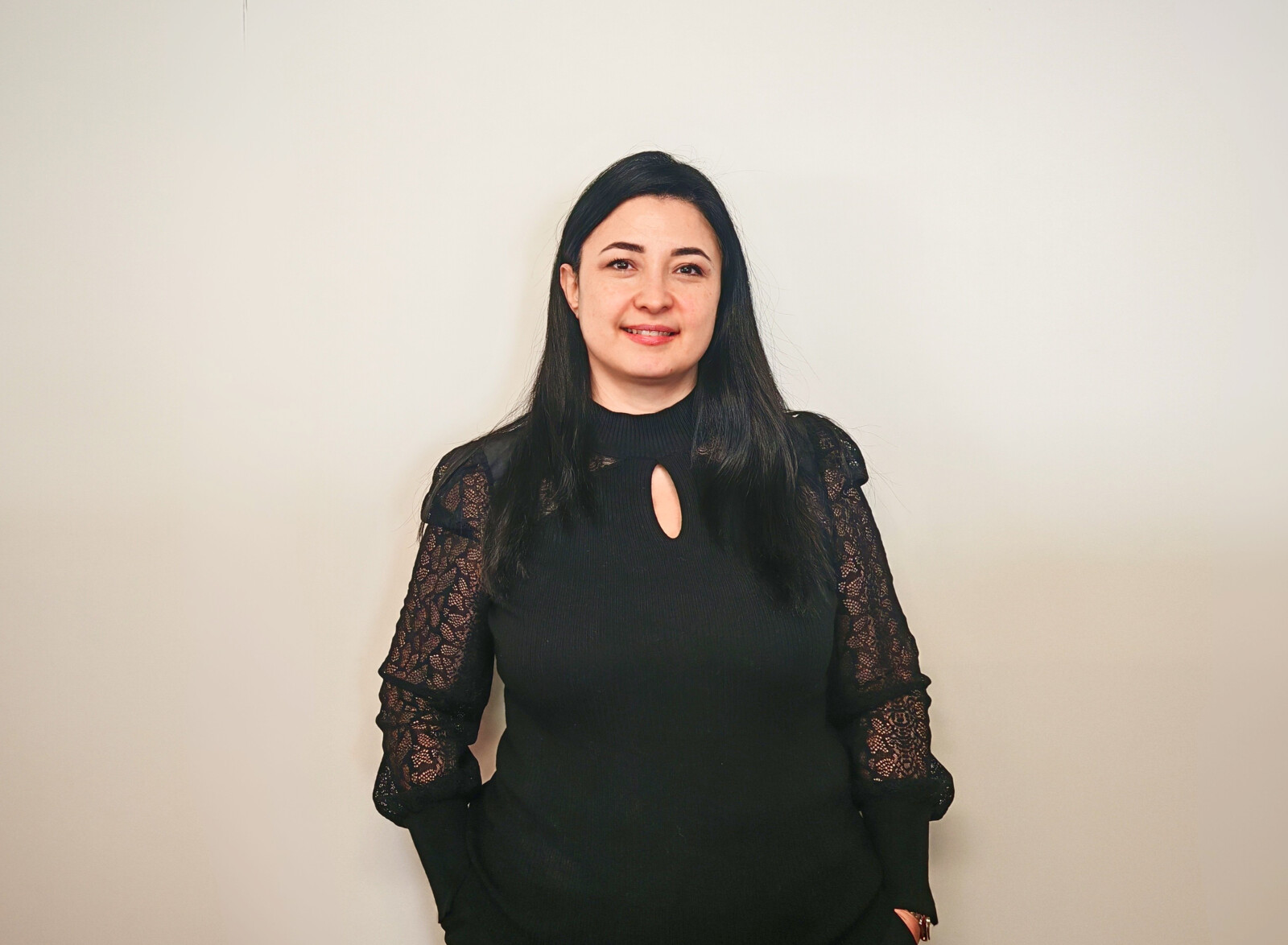
“We always wanted to talk about Syrian stories and to bring all Syrian voices together,” Loujein Haj Youssef, Rozana CEO and editor-in-chief
It was days after the fall of the Assad regime on 8 December 2024 that this approach took on a new meaning.
"When we started to hear each other's stories, people understood how everyone had suffered, both in regime and non-regime areas. People were brought together by their suffering,” she says.
A light in the darkness
"Rozana" is a special word in Arabic and in Damascene architecture. Mounted high on a wall or in a ceiling, a rozana provides natural light into the interior of buildings. It is an apt name for a media platform that Loujein Haj Youssef describes as “light in the darkness of war”.
Founded in 2013 by Syrian journalists in exile, as the Syrian revolution upended the country, Rozana Radio wanted to make sure that the stories of Syria could be told by Syrians. At the time, media coverage of the conflict came largely from pan-Arab outlets or state-controlled broadcasters. The only private Syrian media that existed were tightly managed by the government and restricted to entertainment.
Rozana first launched from a studio in Paris, and then moved to Gaziantep in southern Turkey, close to the Syrian border, nearer to the communities the journalists most wanted to reach. It became one of the main independent radio stations targeting Syrians at home and abroad, broadcasting online and on FM from Turkey. Following the fall of the Assad regime, and thanks to an EED grant, Rozana increased its field presence, and reached inside the country too, including in regions that were previously under Assad regime’s control.
Convincing Ababdo
Women's rights have been central to Rozana's work since its founding, but the approach has always been to work with communities rather than to lecture them, and to find unexpected ways into sensitive conversations.
One of Rozana’s most memorable campaigns was aimed at encouraging conservative families in rural Syria to send their daughters to school. They created a fictional character, a father called Ababdo. They invited the public to convince him to educate his daughter.
The response was overwhelming. Messages, calls, and Facebook comments poured in from across the country, with ordinary people sharing their own experiences. Those stories were then repurposed into video campaigns, creating a feedback loop of community-led advocacy.
"When you want to convince the community, you need to bring them together and open the doors between them,” she says.
Rozana has not shied away from taboo topics either. A woman from Jabal Zawiya spoke openly about being forced into marriage as a young teenager and the abuse she suffered. She was met by an outpouring of solidarity from the audience. A video testimony from a transgender person in Aleppo was also met with empathy.
Loujein draws clear lessons from these examples. Real stories, told with dignity, build understanding within the community and between communities. Today, the station works with a network of around 350 women and men across Syria who create short video messages supporting women's rights in their own communities. They are trusted because they live among the people they speak to.
Navigating a new and uncertain landscape
Loujein admits that while the fall of the Assad regime has opened some doors, it has not removed the challenges. Independent media continue to face significant pressures. Fake social media profiles skew platform algorithms to redirect Rozana's content away from Syrian audiences. Coordinated harassment campaigns have driven activists off Facebook. While, the new government has not issued direct prohibitions against media directly, it monitors independent media closely and has been slow to grant broadcasting licences to non-loyalist outlets.
Funding is precarious for independent media in the country. The withdrawal of US foreign aid has hit hard, and banking sanctions that de facto still apply to Syria make financial transfers slow and complicated. Loujein is now exploring other forms of revenue generation, such as starting a training centre. She notes there is little professional journalism education available inside Syria.
Today, more than a decade after its founding, she is proud that Rozana is still doing what it set out to do: letting the light of truth through in places where it is scarce. Syria may have changed profoundly, but the need has never been greater.
This article reflects the views of the grantees featured and does not necessarily represent the official opinion of EED.
This article includes an AI-generated audio version to offer readers an additional way to engage with the content. As the narration is produced using automated voice technology, occasional inaccuracies may occur.