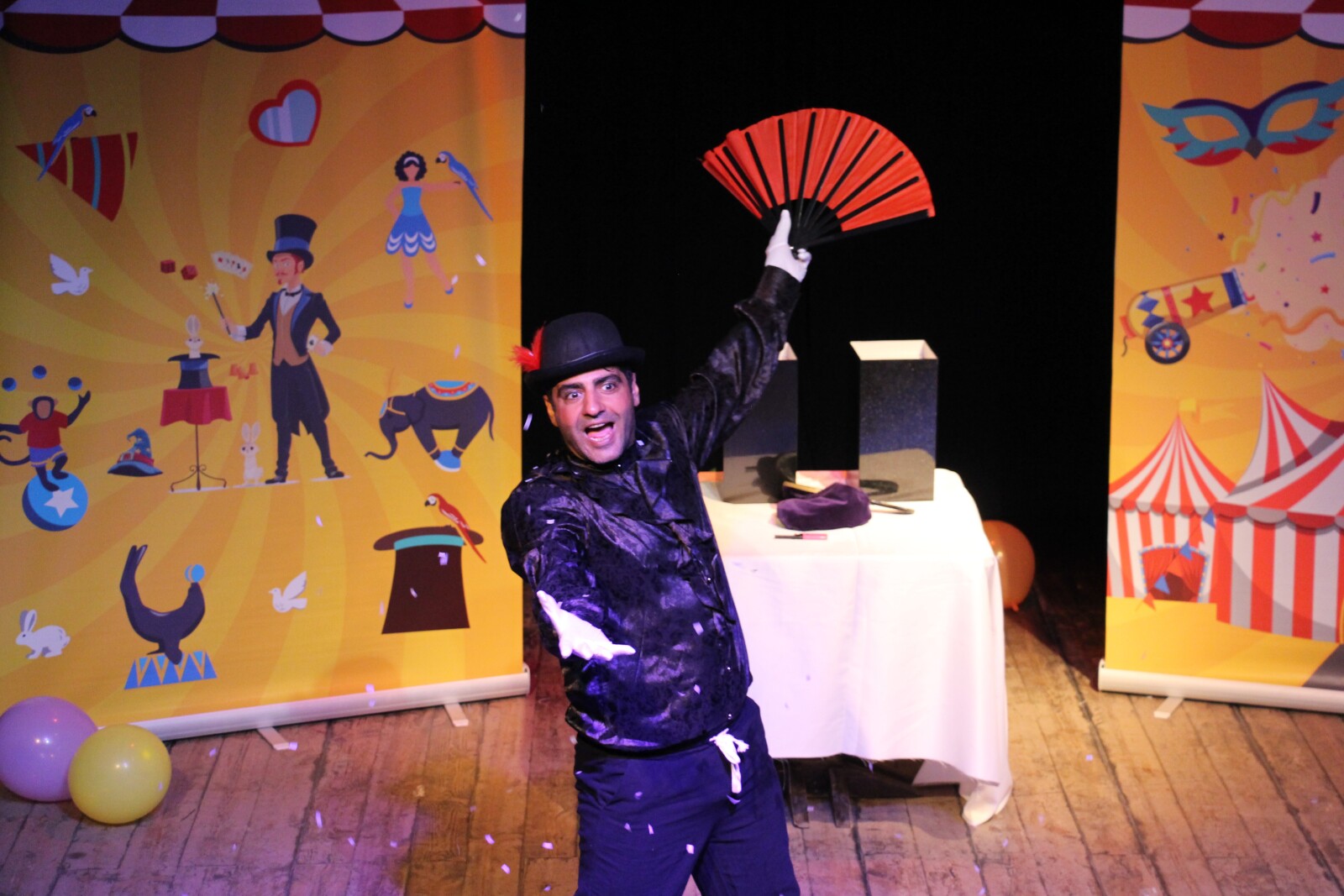
“The Kurds, in every situation – even in their pain – are a people who express themselves through art,” says Barış Işık, one of the founders of Mordem Sanat ve Ekolojik Yaşam Derneği in Diyarbakır.
Mordem was founded on the philosophy that cultural expression is a human right, and that in a democracy, art should be accessible to everyone regardless of background, income level or location. That’s why they focus on children, people with disabilities or special needs, and migrants.
“We believe one of the best ways to advance the world we envision, one grounded in fundamental rights and freedoms, is through art,” says Dilek Akyapı, Mordem’s project coordinator, noting that they believe the arts aren’t just a leisure activity, but something fundamental to democracy and a healthy society.
The group was established in 2017 to give local artists a platform that had been taken from them after the government replaced local elected politicians with trustees who closed public cultural centres promoting Kurdish identity. Mordem’s home base is an arts complex in Diyarbakır with a 160-seat hall, dance studio, sculpture workshop and music classrooms.
Today, Mordem, with a team of 25 instructors and 60 volunteers, does a bit of everything: theatre, arts workshops, drama therapy, dance, film screenings, festivals, ecology and cultural heritage preservation. Their real passion is helping children grow through art, with a special focus on rural areas, where kids usually have no art access.
“When we work with children, we’re restoring a right they’ve been deprived of, and when we do, we see something light up in their eyes,” Barış says.
Art as Therapy in the Shadow of War
In Turkey’s Kurdish-majority southeast, children live under the shadow of trauma from economic deprivation, war, natural disasters like the 2023 earthquake, and the 2020 pandemic. Sometimes stories of trauma or abuse emerge during Mordem's activities, and the team works with child psychologists to design workshops to help children communicate their feelings, using art as a form of therapy they would otherwise not be able to access.
“For the children to be able to communicate through art becomes a form of rehabilitation,” says Dilek.
The conflict, which has raged since 1984 between the government and the PKK Kurdish guerillas, looms over everything, and has imposed itself on children across the region, often drawing them into local rivalries and animosities.
As Barış speaks, he’s interrupted by military jets flying overhead. “It constantly reminds us that the war hasn’t ended, unfortunately.”
He explains that in a single classroom, there may be children from an extremely religious village, others from a village that supports the PKK, and still others from one that’s joined the pro-government village guard militia fighting the guerillas. “You see the enmities the parents carry in the children,” he says.
Mordem’s goal is to get all these children to open up and interact with each other through art.
“Over time, we started building our workshops around the question: can we show them another way of communicating with each other?” Barış explains.
One activity that’s proved highly successful is puppetry. The children make the puppets together, choosing the hair, eyes and clothes, and begin to build connections with each other, expressing themselves by making the puppets speak and tell stories.
“They create everything themselves, from their own personal stories and lived experiences, or from legends they've heard,” Barış says. “This self-creation, that goes beyond letting them play together, becomes a space where they discover their own creativity.”
Art in Times of Crisis
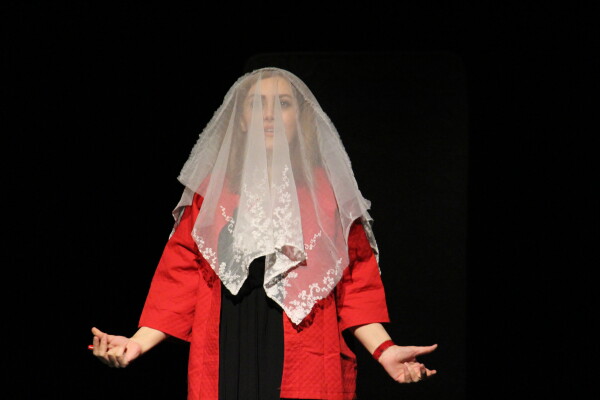
Mordem has often had to be nimble to respond to urgent situations, using their intimate knowledge of villages across the region. After the catastrophic earthquake in 2023, the group sprang into action, establishing the Children's Art Space Platform to coordinate with dozens of other organisations.
They organised puppet-making workshops, plays, games and film screenings for over one thousand kids in villages in the worst-hit areas around Adıyaman, Kahramanmaraş, Hatay and Diyarbakır. They opened their doors to earthquake victims, hosting dozens of families in their centre during the weeks following the quake.
Mordem is constantly learning from their experiences and adapting their activities based on what they’ve learned. One challenge they identified was that girls participated far less than boys, especially in rural regions, but the team noticed that when they included the girls’ mothers, their daughters became more engaged.
“It was one of the most important things we learned,” Barış explains.
Mordem now has a programme training teachers, social workers and psychologists in their unique art-therapy methods, embracing a culture of collaboration they believe is fundamental to the wellbeing of the region. They are determined to pass down everything they've learned over the years,
“The more we act collectively, the more we are together, the stronger we become,” Barış says.
This article reflects the views of the grantees featured and does not necessarily represent the official opinion of the EED.
This article includes an AI-generated audio version to offer readers an additional way to engage with the content. As the narration is produced using automated voice technology, occasional inaccuracies may occur.