
On 17 September 2026, policymakers, democracy support organisations, civil society representatives, academics and grassroots actors from Europe and beyond gathered at the European Economic and Social Committee in Brussels for the twelfth edition of International Democracy Day (IDD).
The event was co-organised by the European Endowment for Democracy (EED), European Partnership for Democracy (EPD), International Institute for Democracy and Electoral Assistance (IDEA), European Network of Political Foundations (ENoP), and Carnegie Europe.
This year’s topic: “What’s Next for Democracy: Innovations and Alliances in a Changing World” connected debates in European policy circles with the experiences of grassroots activists and a wider democratic community. The ambition was to bring these perspectives, to learn from one another, and to identify opportunities for more strategic joint action.
Discussions addressed the following questions:
The event was opened by a video address from Michael McGrath, European Commissioner for Democracy, Justice, the Rule of Law and Consumer Protection, and an opening address by Ambassador Luke Feeney, Representative to the Political and Security Committee of the European Union, on behalf of the Irish Presidency.
EED organised the panel “Defending Democracy from the Inside Out”, which brought together perspectives from Moldova, Armenia and Ukraine to explore what it takes to protect democratic processes in contexts facing foreign interference, disinformation and growing political polarisation.
The discussion centered on the challenges facing independent journalists and civil society actors in countering Russian interference and shared lessons from their work.
Speakers emphasised the crucial role of foreign democracy support for CSOs and independent media in their countries. They called for a long-term, flexible and locally driven democracy support, as well as a need for more direct engagement of stakeholders with actors on the ground.
One of the key features of the IDD is its lightning talks, where invited speakers shed light on crucial and critical issues in the democracy space. This year lightning speaker Elfatih Siddig Suleiman, Sudanese civil society activist, researcher, and advocate for democracy and human rights noted: “Sudan is more than humanitarian crisis. Sudan is a democratic aspiration”. He urged that women, young people and grassroots activists must be at the centre of decision-making in Sudan’s future political processes.
Lisbeth Pilegaard, Chair of the EED Executive Committee, speaking during the "Democracy Support Community Reacts" panel, emphasised the importance of listening to democracy actors rather than imposing agendas and prescribing project frameworks.
The conference included speakers from Belgium, Moldova and Brazil, who spoke about democratic innovations, as well as from Nigeria, East Africa and Columbia who spoke about rethinking leadership from the ground up.
The day closed with a call for democratic renewal through innovation, stronger alliances and local leadership. People and organisations across the EU Neighbourhood, the Global South and beyond are already advancing this work. The EU has a vital role to play by keeping democracy firmly on its political and funding agenda, including in the next Multiannual Financial Framework (MFF).
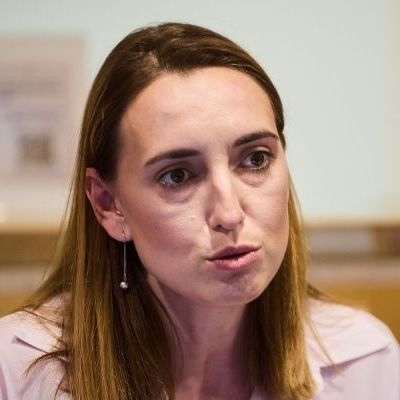
“Not all media outlets survived the war, but journalists remain key in ensuring democratic processes. Media outlets should be supported as key resilience infrastructure.”
Ola Myrovych, Head of Lviv Media Forum
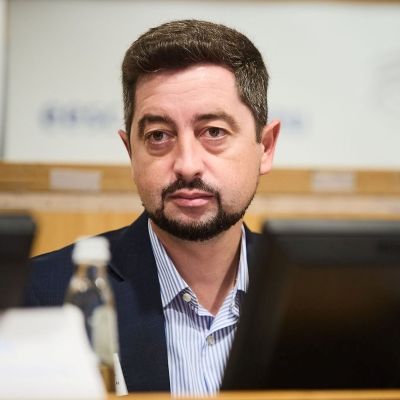
"With democratic choices, democracy cannot win. We don’t want to be passive actors; we want to actively contribute our findings. These cannot be shared through conferences, training, or workshops. Working together is the only way to learn, and means providing salaries to people in Moldova who would otherwise struggle."
Valeriu Pașa, Senior Analyst and Chairman at the WatchDog.MD
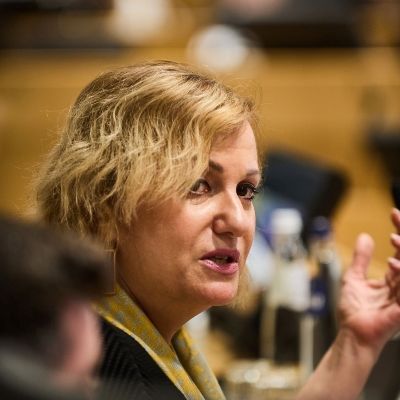
“Impact is not just about audience reach; a thoughtful analytical article can impact legislation even if read only by a few.”
Maria Titizian, Writer, journalist, and editor
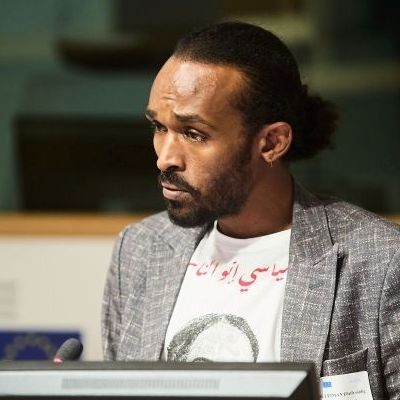
"The December Revolution was not created in hotels, nor in diplomatic meeting rooms. It was built in neighbourhoods, universities, workplaces, villages, and streets. Its driving force came from ordinary Sudanese citizens."
Elfatih Siddig Suleiman, Sudanese civil society activist, researcher, and advocate for democracy and human rights