
Welcome to the June edition of EED News, with this month’s newsletter focused on Ukraine.
On 24 June, over 400 Ukrainian and international civil society leaders came together for the first-ever URC Civil Society Forum as an official side-event of the Ukraine Recovery Conference 2026, co-organised and supported by EED.
Held in Gdańsk’s historical European Solidarity Centre, the URC Civil Society Forum saw the launch of the Gdańsk Common Message, which calls on Ukraine’s recovery to be people-centred, rights-based, and built through genuine partnership, with civil society recognised as a strategic partner.
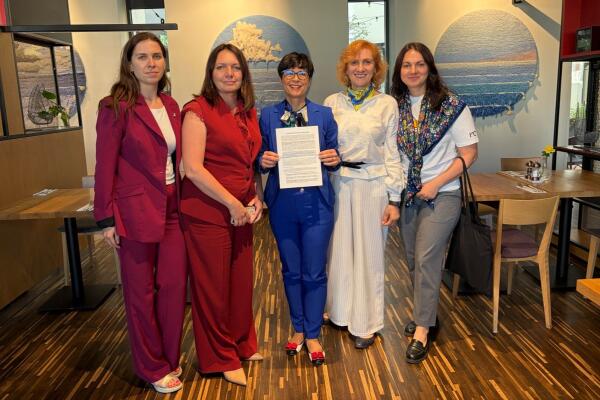
Civil society representatives, including EED partners, also had an opportunity to present the Gdańsk Common Message to Commissioner Marta Kos.
The Gdańsk Common Message calls on the Government of Ukraine and international partners to commit to a set of priority actions that will translate these principles into lasting change. Civil society must move from the margins of recovery into the rooms where decisions are made and be part of setting priorities, shaping financing mechanisms, monitoring implementation, and safeguarding recovery from corruption, exclusion, and short-termism. The Message was developed with contributions from more than 200 civil society organisations.
Speakers at the URC Civil Society Forum included Noble Peace laureate, Oleksandra Matvichuk; Natalka Cmoc, Ambassador of Canada to Ukraine; EED Executive Director, Jerzy Pomianowski; Edwin Bendyk, Stefan Batory Foundation; Oleksandr Sushko, International Renaissance Foundation; Oleksandra Betliy, RISE Ukraine; Mila Leonova, Alliance of Ukrainian Civil Society Organisations; Jaroslava Barbieri, Chatham House; Ivan Verbytskyi, First Deputy Minister of Culture of Ukraine; and Tiit Riisalo, Director Executive Committee URC 2027, among many others.
We look forward to the next URC 2027 which will be held in Tallinn.
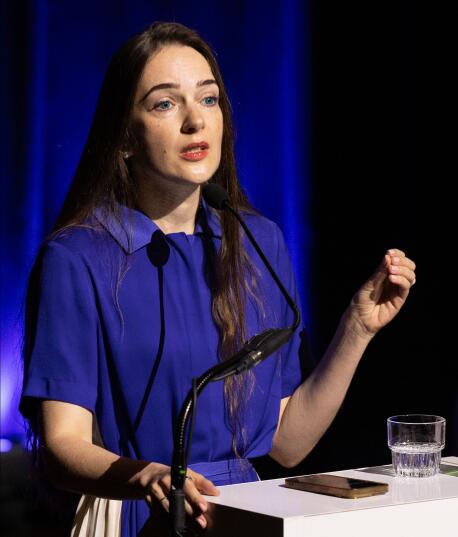
“We have no right to limit recovery to widescale reconstruction. People need to be at the centre. We need to develop projects for local communities, as well as opportunities for those returning to destroyed territories. In order to do this, we need to create a strong partnership with civil society – mayors, local communities, local businesses, IDPs and women's groups. Civil society needs to be an equal partner in all stages of planning, implementation and monitoring.”
Oleksandra Matviichuk, Head of the Center for Civil Liberties, Nobel Peace Prize Laureate
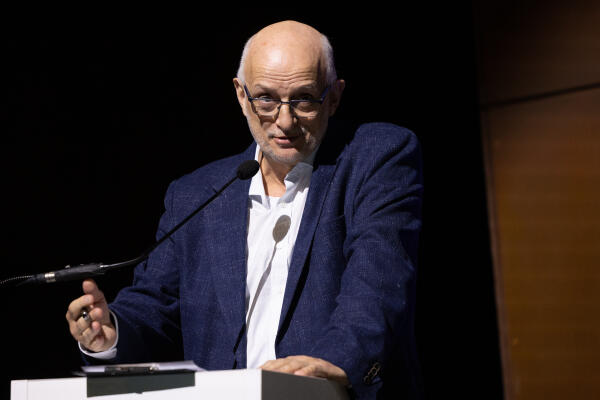
"The whole of society approach in Ukraine is a story of constant innovation and resilience against unknown factors. We need to be able to resist. Over the past few years of the Ukrainian Recovery Conference in Lugano, London, Berlin, Rome and Gdansk, we have seen a stronger and more present civil society presence. I am sure it will be even stronger in Tallinn next year.”
Jerzy Pomianowksi, Executive Director EED
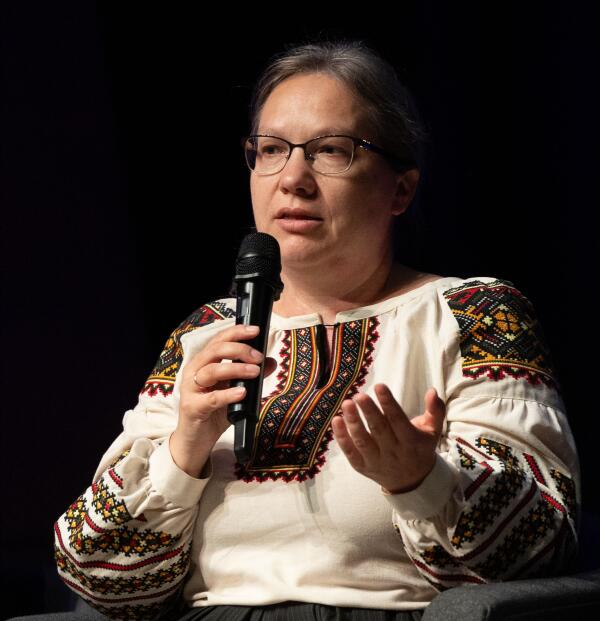
“For reconstruction, we should do it smartly. Someone has to help local governments to prepare strategies, and someone needs to monitor these activities. What is written in the Gdańsk Common Message is our advocacy plan. We need to talk to local communities. We don’t want to just be a watchdog. We are more than that. We want to be partners. There is room for partnership for everyone.”
Oleksandra Betliy, Board Member, RISE Ukraine
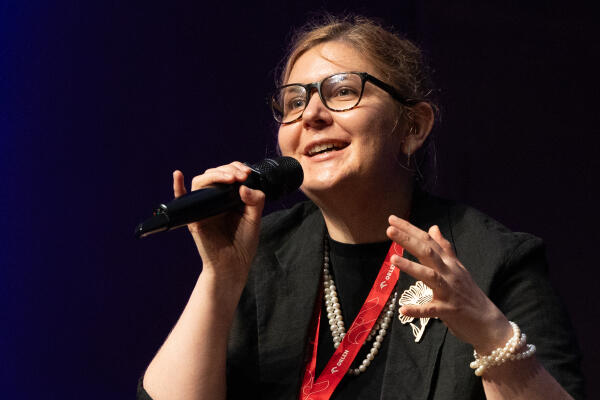
“One word we use often about Ukraine is survival. Survival means partnership. As civil society, we want to drive processes. We must be the engine of this recovery.”
Mila Leonova, Director of the Alliance of Ukrainian Civil Society Organizations
The URC Civil Society Forum was jointly organised by the European Endowment for Democracy, the International Renaissance Foundation, and the Stefan Batory Foundation, in partnership with a broad coalition of Ukrainian and international organisations supporting Ukraine’s recovery, democratic resilience, and civil society development, including Build Ukraine Back Better Platform, Chatham House, Foundations for Ukraine Network, Open Society Foundation, RISE Ukraine Coalition, Robert Bosch Foundation.